Discovering the Advantages of Aluminum Castings in Contemporary Manufacturing
Aluminum castings are gaining growing recognition for their role in advancing modern manufacturing. Their lightweight nature contributes to improved fuel efficiency in various sectors, particularly automotive and aerospace. Resistance to corrosion extends product lifespan, while the flexibility of design permits complex and detailed forms. As industries seek efficient and sustainable solutions, aluminum castings emerge as a key player. Recognizing their broad potential prompts essential discussions about the evolution of manufacturing and innovation. What does the future hold for this adaptable and multifaceted material?
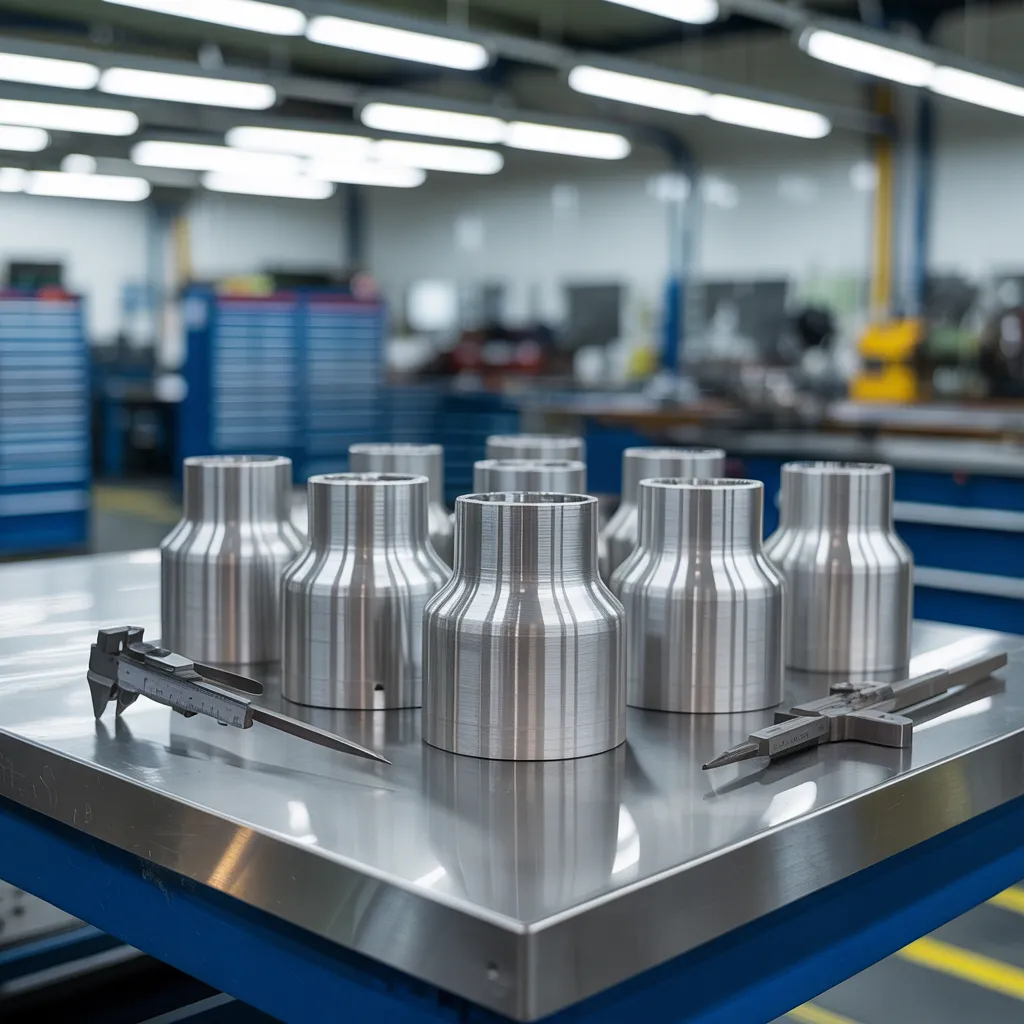
The Unique Advantages of Aluminum Castings in Manufacturing
Even though numerous materials are employed in fabrication, aluminum castings excel due to their unique advantages. Their low density makes them well-suited for weight-sensitive applications, such as in the automotive and aerospace industries. The superior resistance to corrosion of aluminum also enhances the longevity of products, minimizing maintenance requirements throughout their service life.
Additionally, aluminum castings can be produced with elaborate patterns and intricate structures, allowing for greater design flexibility. Such flexibility allows manufacturers to produce components that satisfy precise performance demands without sacrificing material strength.
In addition, aluminum offers favorable thermal and electrical conductivity, making it ideal for a wide range of electronic uses. The ability to be recycled of aluminum further strengthens its appeal, aligning with green manufacturing approaches. Overall, the blend of these qualities makes aluminum castings a leading solution for modern manufacturing processes, promoting technological progress while preserving operational efficiency and long-term durability.
Enhancing Production Efficiency With Aluminum Castings
The benefits of aluminum castings extend beyond their inherent properties; they also contribute substantially to boosting operational productivity. Their lightweight nature reduces energy consumption during manufacturing processes, allowing for faster machining and assembly. This accelerates production timelines, empowering manufacturers to address market needs with greater agility.
In addition, aluminum castings feature excellent dimensional accuracy, decreasing the need for extensive post-processing. This accuracy not only cuts down on waste but also reduces material costs, enhancing overall efficiency. The versatility of aluminum supports elaborate designs that can be produced in fewer steps, streamlining workflows.
Furthermore, the quick rate of cooling of aluminum castings facilitate reduced cycle times, further enhancing operational efficiency. Through the incorporation of aluminum castings, producers can accomplish a harmony between quality and efficiency, resulting in greater competitiveness in the industry. As industries evolve, the role of aluminum casting technology in improving production processes stays indispensable.
Applications of Aluminum Castings Across Industries
Aluminum castings serve a vital function in a wide range of industries, particularly in advancing automotive innovations and enhancing aerospace component efficiency. Their low-weight and resilient qualities greatly enhance superior performance and optimized fuel consumption. As industries keep progressing, the utilization of aluminum castings is growing, reflecting their versatility and importance.
Automotive Industry Innovations
Transforming vehicle design, aluminum castings have emerged as a cornerstone in the automotive industry, offering a fusion of versatile lightweight durability. This material greatly contributes to fuel efficiency by decreasing overall vehicle weight, which is essential for meeting stringent emissions standards. Innovations in casting techniques, such as die casting and gravity casting, enable manufacturers to create complex geometries that improve performance and aesthetic appeal. Furthermore, aluminum's corrosion resistance improves durability, ensuring extended vehicle longevity. Major automotive brands continue to adopt aluminum castings in engine blocks, transmission cases, and structural components, showcasing their commitment to innovative manufacturing standards. As the access resource industry evolves, aluminum castings continue to play a pivotal role in driving innovations that enhance safety, performance, and sustainability.
Aerospace Parts Performance
In recent years, a significant shift towards aluminum castings has revolutionized aerospace component efficiency. The reduced weight of aluminum facilitates lower fuel usage and enhanced performance in aircraft design. By leveraging cutting-edge casting processes, producers can produce sophisticated geometric configurations that optimize structural integrity and aerodynamics. These castings also demonstrate excellent corrosion resistance, increasing the longevity of aerospace components and lowering maintenance expenses. Additionally, aluminum's ability to conduct heat supports optimal heat distribution, critical for engine and electronic parts. The incorporation of aluminum castings not only simplifies the production workflow but also advances the industry's sustainability objectives, as aircraft with reduced weight result in decreased environmental impact. Ultimately, aluminum castings present a proven solution for optimizing performance in the aerospace industry.
Ways Aluminum Castings Can Improve Sustainability
Many manufacturers are beginning to acknowledge the capability of aluminum castings to improve green objectives. The reduced mass of aluminum contributes to reduced energy consumption during fabrication and delivery, leading to lower overall carbon emissions. Moreover, aluminum maintains a high recycling rate, with close to 75% of all aluminum ever produced continuing to be utilized. This built-in recyclability minimizes waste and conserves natural resources, supporting circular economy principles.
Moreover, the lasting quality and extended lifespan of aluminum castings ensure that products demand fewer replacements over time, further decreasing resource consumption over time. Companies can additionally utilize sophisticated casting processes to optimize material usage, cutting down on excess material and improving overall performance. As the manufacturing sector focuses on eco-conscious operations, the integration of aluminum castings proves to be a strategic choice, encouraging green manufacturing practices while satisfying the growing demand for sustainable manufacturing approaches. This shift not only benefits the environment but also strengthens corporate social responsibility efforts.
Evaluating the Cost-Effectiveness of Aluminum Castings
How cost-effective are aluminum castings compared to alternative materials? In the realm of contemporary manufacturing, aluminum castings stand out for their balance of cost and performance. Even though the initial costs of materials may be on par with steel or plastic, aluminum provides considerable benefits in terms of weight reduction and corrosion resistance, which can lead to lower shipping and maintenance costs. Furthermore, aluminum's superior thermal and electrical conductivity makes it a preferred choice in various applications, boosting overall operational efficiency.
When analyzing the economic viability, one must consider the long-term costs connected to manufacturing processes, including machining and surface treatment. Aluminum cast parts usually demand minimal post-processing, further contributing to cost savings. Moreover, the reusable nature of aluminum materials helps minimize material waste expenses and support environmental responsibility. Ultimately, while specific project needs may fluctuate, the broad economic advantages of employing aluminum castings often outweigh those of alternative materials in numerous production scenarios.
Upcoming Advancements in Aluminum Casting Technology
Recent developments in aluminum casting processes stand to significantly reshape manufacturing operations in meaningful ways. Advancements such as additive manufacturing methods are allowing producers to develop sophisticated structures that could not formerly be realized, reducing material waste and production time. Furthermore, the adoption of machine learning solutions in production simulations is strengthening quality management by forecasting imperfections before they arise, resulting in higher-quality output.
Furthermore, the creation of new aluminum alloys with enhanced mechanical properties is increasing the applications of castings in industries like automotive and aerospace. These alloys not only improve performance but also facilitate weight reduction, a vital factor in modern engineering.
Environmental responsibility serves as another key priority, with breakthroughs in recycling methods enabling the effective repurposing of aluminum scrap, limiting the negative effects on the environment. As these developments continue to emerge, they stand to elevate efficiency, quality, and sustainability across aluminum casting, shaping the future of manufacturing.
Frequently Asked Questions
How Do Aluminum Castings Stack Up Against Other Materials in Terms of Weight?
Aluminum castings are notably lighter than a wide range of metals, like steel and iron, making them perfect for applications that demand reduced weight. This quality boosts performance and efficiency in numerous industries, particularly in the automotive and aerospace sectors.
How Long Do Aluminum Castings Typically Last?
The average lifespan of aluminum castings ranges from 20 to 50 years, based on environmental conditions and how they are used. Routine maintenance can enhance durability, establishing aluminum as a trusted material for numerous uses across diverse industries.
Are Aluminum Castings Able to Be Recycled After Their Use?
Aluminum castings are highly recyclable after use, with the ability to maintain their properties through multiple cycles. This capacity for recycling supports broader sustainability initiatives, lowering environmental burden and encouraging resource conservation throughout manufacturing processes.
How Do Temperature Extremes Affect Aluminum Castings?
Significant temperature fluctuations can lead to thermal expansion or contraction in cast aluminum components, often resulting in cracking, warping, or compromised structural integrity. Such conditions can undermine the integrity and performance of components deployed in high-stakes environments.
What Types of Surface Finishes Are Available for Aluminum Castings?
Various finishing options for cast aluminum components include polishing, anodizing, bead blasting, and powder coating. Such treatments enhance aesthetic appeal, provide corrosion resistance, and improve durability, addressing diverse industrial and consumer applications.